

Vitamin C, or ascorbic acid, is a type of water-soluble vitamin. It is well-known to improve our immunity, but what else do we need to know about vitamin C?
What does vitamin C do?
Vitamin C participates in the biosynthesis of collagen, L-carnitine, and protein metabolism. It is also the precursor of collagen, which is responsible for wound healing. Vitamin C assists in iron absorption, inadequate intake may lead to iron deficiency anemia.
Furthermore, vitamin C is a powerful antioxidant that acts to neutralize ROS to boost immune function, reduce inflammation, and prevent the development of certain cancers and cardiovascular diseases.
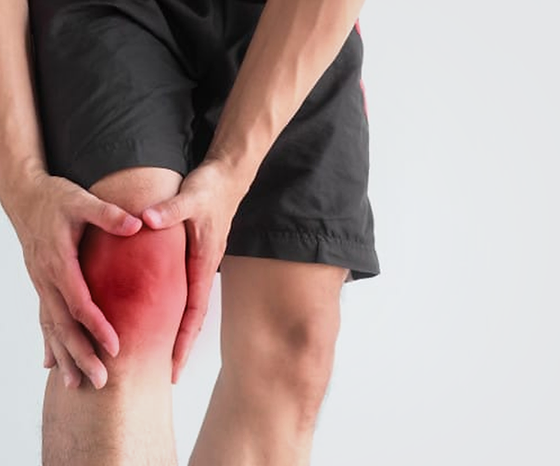
Vitamin C deficiency may lead to fatigue, ecchymoses, purpura, joint pain, poor wound healing, hyperkeratosis, scurvy, swollen, bleeding gums, and loosening or loss of teeth.
What dosage should I take at once?
The absorption of vitamin C is tightly controlled by the body. The most common form of vitamin C supplement is ascorbic acid. Studies showed that intake of 200 mg vitamin C would be completely absorbed by the body. However, if the dose increases above 1000 mg, there will only be 50% of vitamin C absorbed by the body. Thus, no greater than 500 mg should be taken at once since only a fraction of vitamin C would be absorbed by the body at a dose of 500 mg or more. To conclude, the most effective way to take vitamin C is to spread it out throughout the day.
The upper limit (UL) for vitamin C is 2,000 mg, which means that if you take vitamin C at a dose of greater than 2,000 mg, you may experience gastrointestinal discomfort, such as diarrhea, nausea, vomiting, and abdominal cramps, as the GI is not able to absorb and tolerate the excessive amount of vitamin C.
What foods are high in vitamin C? How should I store them?
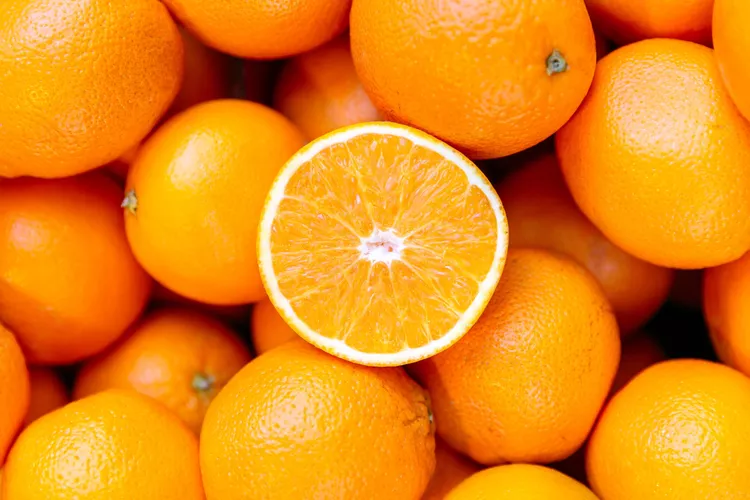
Foods that are high in vitamin C inlude: citrus (orange, lemon, grapefruit), cantaloupe, strawberries, bell peppers, cruciferous vegetables, and tomatoes. Vitamin C can be destroyed by heat and light. Stored vitamin C-rich foods away from sunlight and cook with quick heating methods such as blanch and stir-fry. Vitamin C’s bioavailability is high when the food is eaten raw.

A sample day of taking high vitamin C foods:
Breakfast: ½ cup of strawberry, 45 mg vitamin C
Lunch: 1 cup cooked broccoli, 100 mg vitamin C
Dinner: ½ cup brussel sprouts, 48 mg vitamin C
Snacks: 1 medium orange, 70 mg vitamin C
Total vitamin C: 263 mg
How would vitamin C interacts with medications?
- Aspirin and nonsteroidal anti-inflammatory drugs: these drugs can lower vitamin C level, a high dose of vitamin C supplement may increase the drug level in the blood
- Tylenol – vitamin C may raise the drug level in the blood
- Chemotherapy drugs: vitamin C may interfere with the drugs taken for chemotherapy
- Birth control pills and hormone replacement therapy: vitamin C may raise the estrogen levels when taken with these drugs; oral estrogens may decrease the effects of vitamin C
- Smokers require 35 mg/day more vitamin C than nonsmokers.
Reference: