
What Are Eating Disorders?
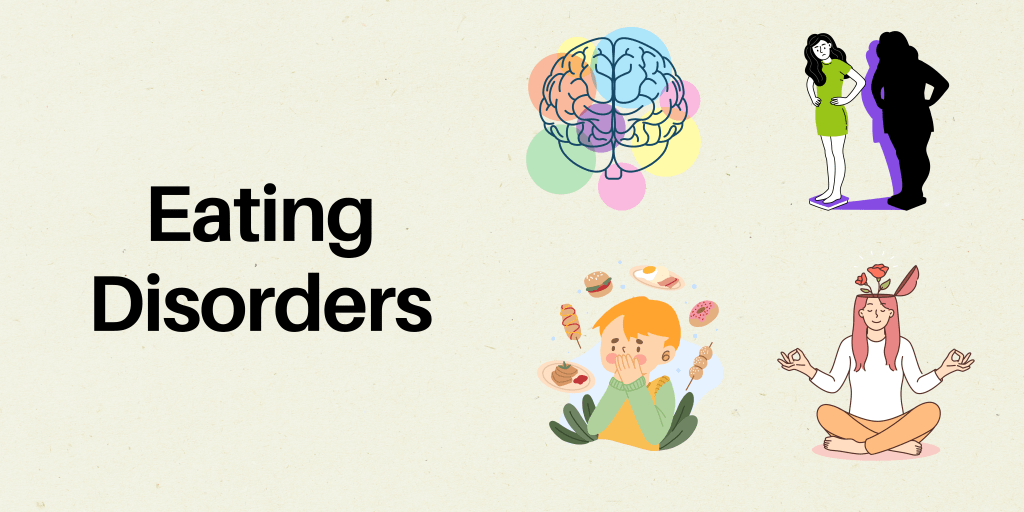
Food is essential for survival, and everyone has a unique relationship with it — from the meals you enjoy to the ones you prefer to avoid. Recognizing an eating disorder can be difficult, especially when it feels like part of your daily life.
Eating disorders are mental health conditions that disrupt your relationship with food, leading to unhealthy eating behaviors. Common types include anorexia nervosa, bulimia nervosa, and binge-eating disorder. With the right treatment, recovery and improved well-being are possible.
Anorexia Nervosa
Symptoms:
- restricted food intake
- excessive exercising
- significant weight loss
- distorted self-image
- intense fear of gaining weight
- withdrawing from socializing
- intentional vomiting
- fatigue
- dizziness/fainting
Subtypes:
- Restrictive Anorexia: This subtype involves severely limiting both the quantity and variety of food consumed.
- Binge-Purge Anorexia: Individuals with this subtype not only restrict the amount and type of food they eat, but also engage in episodes of binge eating followed by purging. During these episodes, they may consume large quantities of food in a short period and then intentionally induce vomiting or use laxatives or diuretics to eliminate what they’ve eaten.
Treatments:
- Addressing and stabilizing weight loss.
- Initiating nutrition rehabilitation to support weight restoration.
- Stopping binge eating, purging, and other disordered eating behaviors.
- Addressing psychological challenges, such as low self-esteem and distorted thought patterns.
- Establishing sustainable, long-term behavioral changes.


Bulimia Nervosa
Physical signs and symptoms:
- Swollen cheeks or jawline
- Gastrointestinal problems such as constipation and acid reflux
- Scars, scrapes or calluses on your knuckles (from forced throwing up)
- Muscle weakness
- Fainting
- Dehydration
- Irregular menstrual periods
Symptoms:
- Binge and purge privately
- Frequent bathroom visits
- Engaging in excessive exercise
- Extreme fear of weight gain
- Constant focus on body image
- A sense of losing control
- Feelings of guilt or shame related to eating
- Social withdrawal from friends and family
- Struggles with depression, anxiety, or substance use
How is Bulimia Nervosa treated?
- Psychotherapy
- Nutrition Counseling
- Medications
- Support groups
Binge-Eating Disorder
Symptoms:
- Eating when not hungry or already full
- Feeling unable to control eating behavior, such as struggling to stop once started
- Consuming unusually large amounts of food within a short time
- Eating until uncomfortably full
- Eating quickly during binges
- Preferring to eat alone or in secret
- Experiencing guilt, shame, or distress about eating habits

Complications:
- Weight gain
- Difficulty enjoying life
- Social isolation or feelings of loneliness
- Health issues linked to weight gain, such as joint pain, heart disease, type 2 diabetes, GERD, poor nutrition, or sleep disorders
- Challenges at work, in personal life, or social settings
Risk factors:
- Family History: Having parents or siblings with an eating disorder increases your risk, possibly due to genetic factors.
- Dieting: A history of dieting or calorie restriction may lead to binge eating.
- Mental Health: Low self-esteem, stress, poor body image, or specific triggers like certain foods or situations (e.g., parties, downtime, driving) can contribute to binge eating.
Other Types of Eating Disorders
- Pica: Compulsively eating non-food substances like chalk, dirt, or paint.
- Rumination Disorder: Regurgitating undigested food, which is then rechewed, re-swallowed, or spit out.
- Avoidant/Restrictive Food Intake Disorder (ARFID): Restricting food intake due to factors unrelated to body image or weight loss goals.
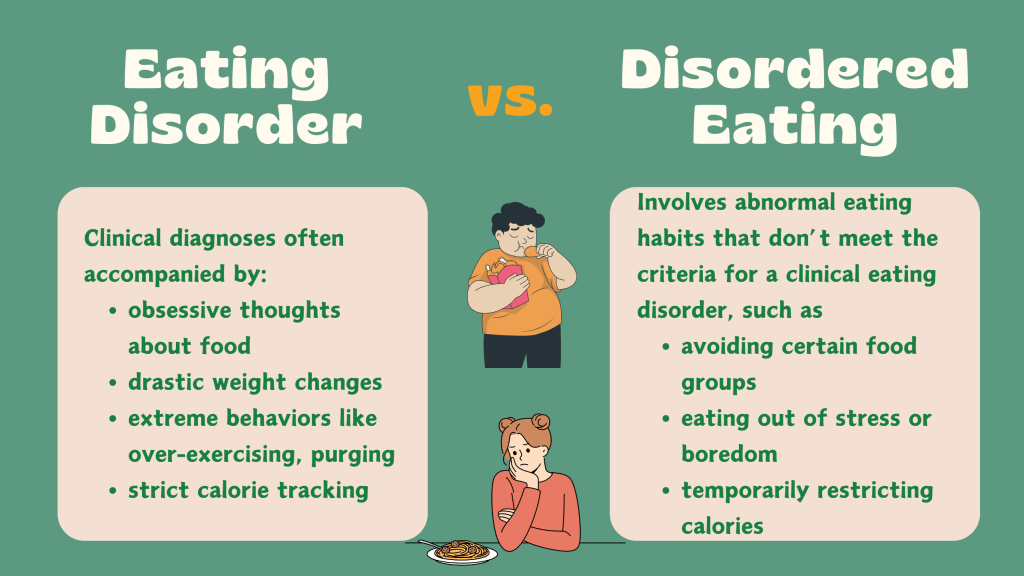
Eating Disorders vs. Disordered Eating
When should I see a healthcare provider?
Reach out to a healthcare provider if you:
- Find that food-related issues interfere with daily life
- Feel distressed about your relationship with food
- Experience chest pain, shortness of breath, or heart palpitations
- Suffer from persistent sore throat or acid reflux
- Have frequent dizziness or episodes of fainting
Eating Disorders Nutrition Therapy at NutriAll

Compassionate, personalized support to help you reclaim balance and well-being. We are here to help you restore a healthy relationship with food.