


What is Diabetes?
Diabetes is a chronic, metabolic disease characterized by elevated levels of blood glucose (or blood sugar), which leads over time to serious damage to the heart, blood vessels, eyes, kidneys and nerves.
Lorem ipsum dolor sit amet, consectetur adipiscing elit. Ut elit tellus, luctus nec ullamcorper mattis, pulvinar dapibus leo.
Type 1 diabetes
This type is an autoimmune disease in which your immune system attacks and destroys insulin-producing cells in your pancreas for unknown reasons. Up to 10% of people who have diabetes have Type 1. Anyone at any age can develop Type 1 diabetes (T1D), though the most common age at diagnosis is between the ages of 4 to 6 and in early puberty (10 to 14 years).
Diagnose of TD1
Random blood sugar test. This is the primary screening test for type 1 diabetes. A blood sample is taken at a random time. A blood sugar level of 200 milligrams per deciliter (mg/dL), or 11.1 millimoles per liter (mmol/L), or higher, along with symptoms, suggests diabetes.
Glycated hemoglobin (A1C) test. This test indicates your child’s average blood sugar level for the past 3 months. An A1C level of 6.5% or higher on two separate tests indicates diabetes.
Fasting blood sugar test. A blood sample is taken after your child hasn’t eaten (fasted) for at least 8 hours or overnight. A fasting blood sugar level of 126 mg/dL (7.0 mmol/L) or higher suggests type 1 diabetes.
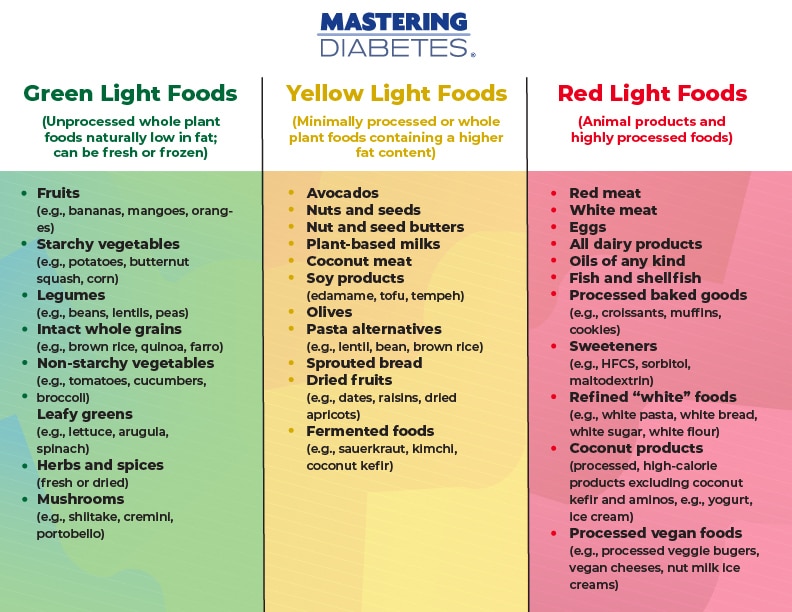
T1D-friendly food sources/dietary habits
Lorem ipsum dolor sit amet, consectetur adipiscing elit. Ut elit tellus, luctus nec ullamcorper mattis, pulvinar dapibus leo.
Type 2 Diabetes
Type 2 diabetes is a condition that happens because of a problem in the way the body regulates and uses sugar as a fuel. That sugar also is called glucose. This long-term condition results in too much sugar circulating in the blood. Eventually, high blood sugar levels can lead to disorders of the circulatory, nervous and immune systems.
In type 2 diabetes, there are primarily two problems. The pancreas does not produce enough insulin — a hormone that regulates the movement of sugar into the cells. And cells respond poorly to insulin and take in less sugar.
Diagnose of TD2
Type 2 diabetes is usually diagnosed using the glycated hemoglobin (A1C) test. This blood test indicates your average blood sugar level for the past two to three months. Results are interpreted as follows:
- Below 5.7% is normal.
- 5.7% to 6.4% is diagnosed as prediabetes.
- 6.5% or higher on two separate tests indicates diabetes.
T2D-friendly food sources/dietary habits
Lorem ipsum dolor sit amet, consectetur adipiscing elit. Ut elit tellus, luctus nec ullamcorper mattis, pulvinar dapibus leo.
Gestational Diabetes
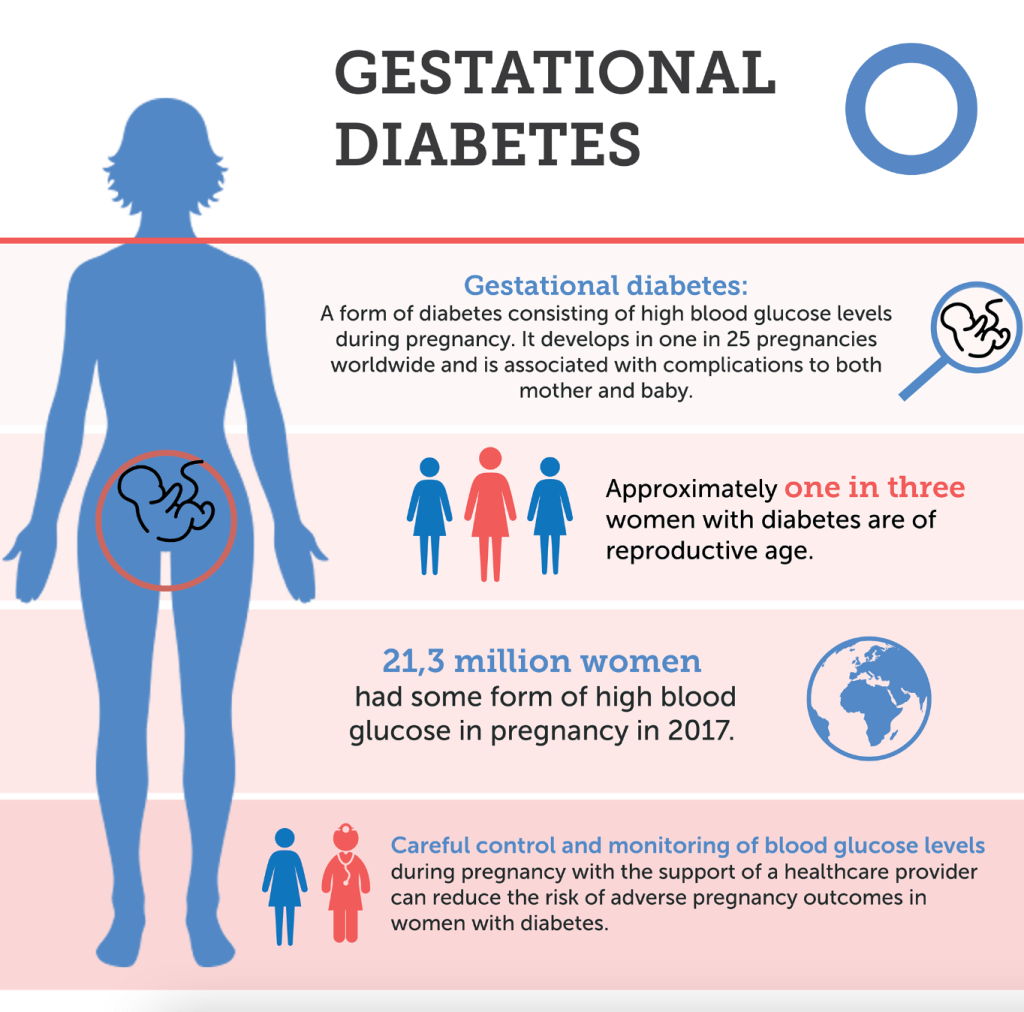
Gestational diabetes is a form of diabetes that occurs during pregnancy. It usually develops around the 24th week of pregnancy when the body is unable to produce enough insulin to meet the increased demands, leading to elevated blood sugar levels. Gestational diabetes doesn’t always cause noticeable symptoms, and it is often diagnosed through routine screening during pregnancy.
Symptoms of Gestational
Increased Thirst (Polydipsia): Similar to other types of diabetes, gestational diabetes may lead to excessive thirst.
Frequent Urination (Polyuria): Higher blood sugar levels can result in increased urine production.
Fatigue: The body’s inability to efficiently use glucose for energy may lead to feelings of tiredness.
Unexplained Weight Loss or Gain: Some women may experience changes in weight despite stable eating habits.
Blurred Vision: Elevated blood sugar levels can affect fluid balance in the eyes, causing temporary vision changes.
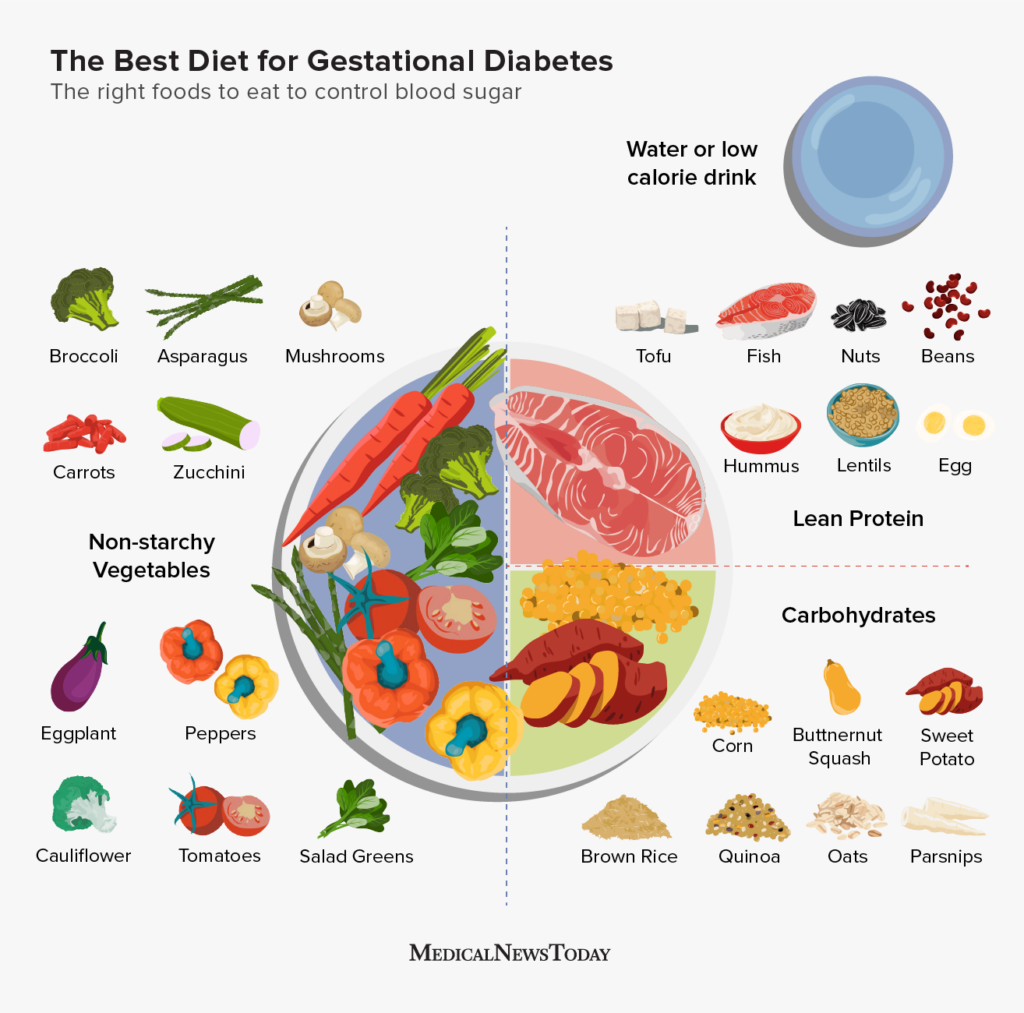
GDM-friendly food sources/dietary habits
Diabetes
Nutrition
Therapy
at NutriAll
Individualized nutrition therapy to improve blood sugar and manage diabetes.
Diabetes Management
At Nutriall Wellness Center, we understand the unique challenges that come with managing diabetes, and we're here to provide comprehensive support through our Diabetes Management Program. Our services include:

Personalized Nutrition Assessment
- A thorough evaluation of your dietary habits, lifestyle, and health goals.
- Collection of information about your medical history, medications, and any existing complications related to diabetes.

Weight Management Support
Collaboration on achieving and maintaining a healthy weight through a personalized plan.

Customized Meal Planning
Development of a personalized meal plan tailored to your preferences, cultural background, and nutritional needs.

Heart Health Focus
Promotion of heart-healthy eating to manage cardiovascular risk factors often associated with diabetes.

Carbohydrate Management
Education on carbohydrate counting and its impact on blood sugar levels.
Guidance to make informed choices about the types and amounts of carbohydrates consumed
.

Education and Behavior Change Support
Ongoing education on diabetes management, including the relationship between food choices, medication, and blood sugar levels.
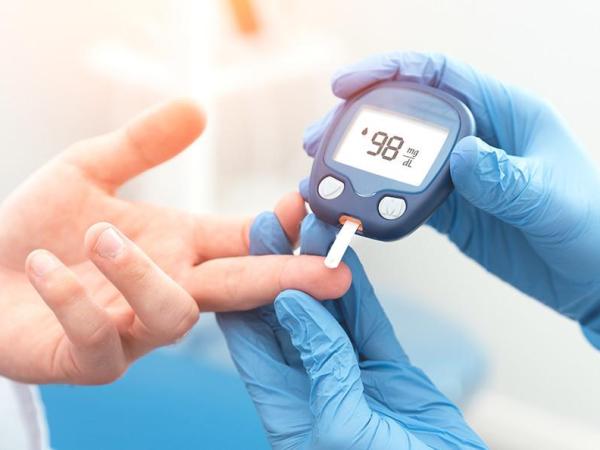
Blood Sugar Monitoring
Instruction on monitoring blood glucose levels and interpreting the results. Use of this information to make necessary adjustments to the meal plan.
Why Choose Us
Personalized Care
Our registered dietitians conduct in-depth assessments to create a customized Diabetes Management Program just for you.
Comprehensive Approach
Our program covers everything providing a holistic solution to your health needs. We bring years of experience in diabetes management, ensuring you receive the highest level of guidance and support.
Know you better
We offer multi-languages and multi-culture nutrition consulting. And we accept most insurances.
Client Testimonials