What is PCOS?
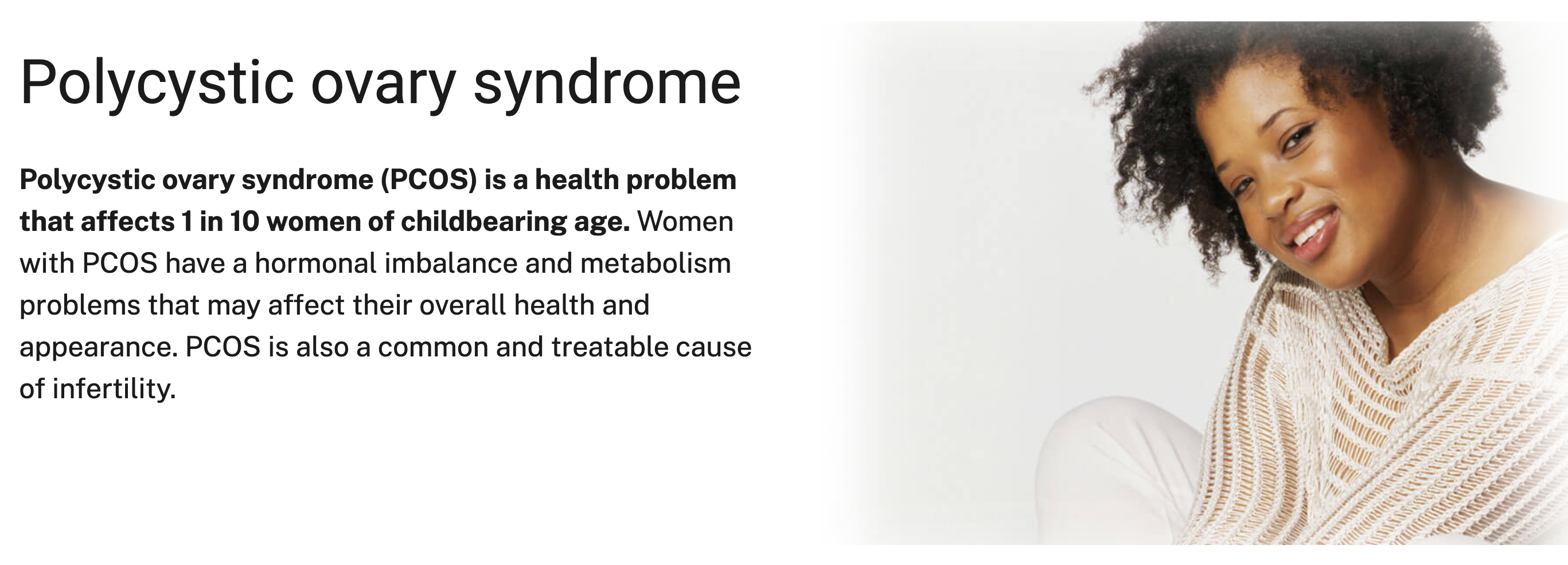
Polycystic ovary syndrome (PCOS), also known as polycystic ovarian syndrome, is a common health problem caused by an imbalance of reproductive hormones. The hormonal imbalance creates problems in the ovaries. The ovaries make the egg that is released each month as part of a healthy menstrual cycle. With PCOS, the egg may not develop as it should or it may not be released during ovulation as it should be.
PCOS can cause missed or irregular menstrual periods. Irregular periods can lead to: 1. Infertility (inability to get pregnant). In fact, PCOS is one of the most common causes of infertility in women.
2. Development of cysts (small fluid-filled sacs) in the ovaries
Lorem ipsum dolor sit amet, consectetur adipiscing elit. Ut elit tellus, luctus nec ullamcorper mattis, pulvinar dapibus leo.
Symptoms
Some of the symptoms of PCOS include:
- Irregular menstrual cycle.
- Long (35+ days ) or irregular cycles that rarely result in ovulation
- Missing periods
- Mid-cycle bleeding
- Too much hair on the face, chin, or parts of the body where men usually have hair. This is called “hirsutism.” Hirsutism affects up to 70% of women with PCOS.3
- Acne on the face, chest, and upper back
Thinning hair or hair loss on the scalp; male-pattern baldness - Weight gain or difficulty losing weight
- Darkening of skin, particularly along neck creases, in the groin, and underneath breasts
- Skin tags, which are small excess flaps of skin in the armpits or neck area
Diagnose
- Oligo-ovulation
- Irregular ovulation resulting in anovulatory cycles and irregular periods
- Resource:Some people with PCOS have very heavy bleeding when they do have a period.
- Hyperandrogenism as determined by lab testing or symptoms
- High readings on a blood test or physical symptoms like acne, excess face and body hair, male pattern hair loss, weight loss resistance and excess weight around the midsection.
- Polycystic or enlarged ovaries
- Typically detected via ultrasound, physical exam or pelvic exam. With diagnosing, it’s important to note that PCOS cannot be definitively diagnosed by an ultrasound because it is actually normal for ovaries to have ovarian follicles (cysts). Healthy women can often have multiple ovarian follicles at once, making an ultrasound finding of multiple cysts meaningless on its own when it comes to diagnosing PCOS.
Medical Treatment
- Treatments (Resource:)
- If do not plan to become pregnant, treatment include
- Hormonal birth control
- Insulin sensitizing medicine
- Medications to block androgens
- Lifestyle changes
- If want to become pregnant
- Drugs to induce ovulation (releasing an egg)
- A successful pregnancy begins with ovulation. Certain drugs have been proven to induce ovulation in people with PCOS. The medications clomiphene and letrozole are taken orally, while gonadotropins are given by injection
- Surgery
- A surgical procedure can help restore ovulation by removing tissue in your ovaries that produces androgen hormones. With newer medications available, surgeons rarely perform this procedure.
- In vitro fertilization (IVF)
- Drugs to induce ovulation (releasing an egg)
- If do not plan to become pregnant, treatment include
- Traditional Treatments – Symptom-based
- Hormonal birth control (oral contraceptives IUD)
- Resource:Options include birth control pills, patches, shots, a vaginal ring or an intrauterine device (IUD). Hormonal birth control helps to regulate your menstrual cycle, some forms will also improve acne and help with excess hair growth.
- Anti-androgen medication (eg, spironolactone, finasteride)
- Resource:Some medications can block the effect of androgens. This helps control acne or hair growth.
- Fertility medications (Clomiphene, letrozole, adjunct metformin)
- Anti-obesity medication (sibutramine, orlistat)
- Hormonal birth control (oral contraceptives IUD)
- Newer treatments – based on root causes
- Insulin sensitizing medication (metformin)
- Resource:Metformin is a drug used to treat diabetes. It works by helping your body process insulin. Once insulin is under control, some people with PCOS see improvements in their menstrual cycles.
- Diet, Lifestyle, supplements
- Resource:Eating a nutritious diet and maintaining a body weight that’s healthy for you can have a positive effect on insulin levels.
- Insulin sensitizing medication (metformin)
PCOS
Nutrition
Therapy
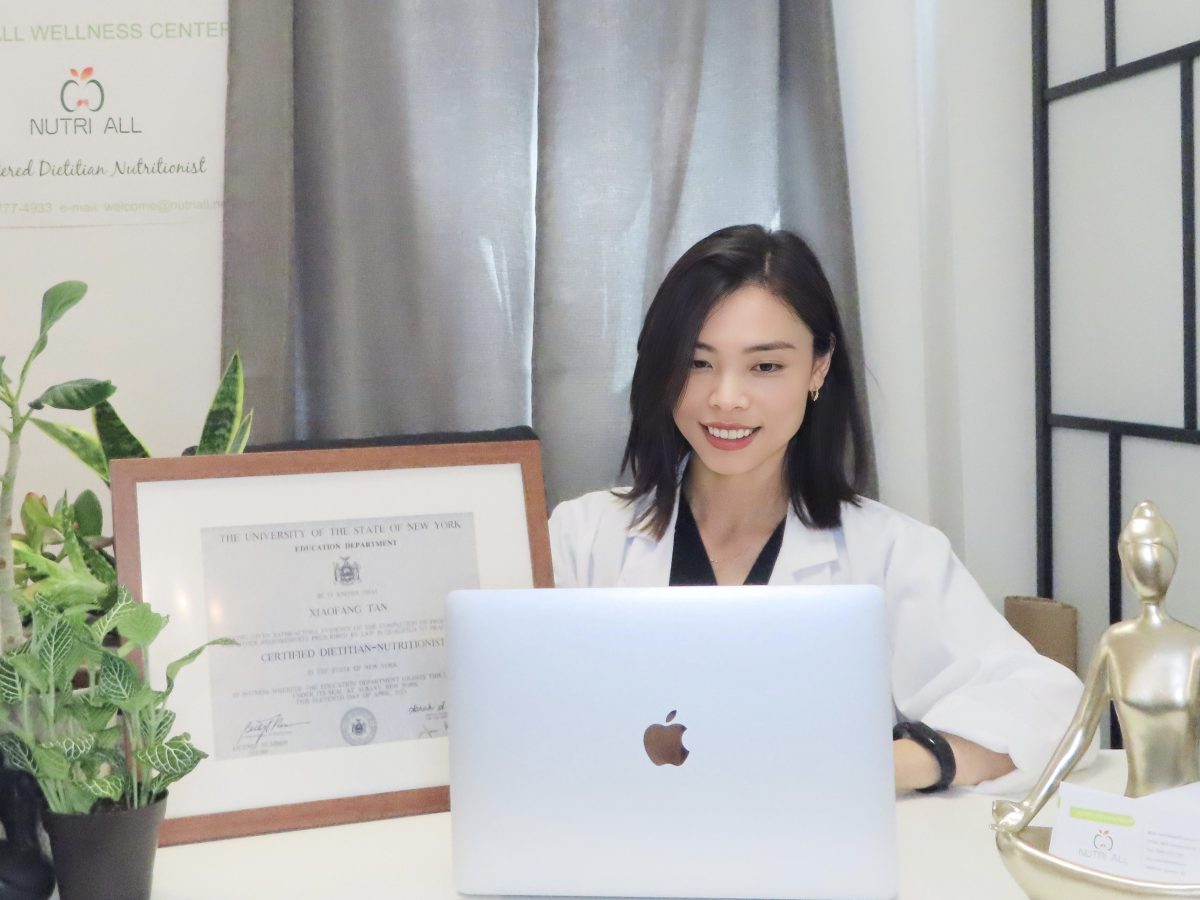
at NutriAll
Individualized nutrition therapy to improve PCOS-related symptoms.
PCOS Management
At Nutriall Wellness Center, we understand the unique challenges that come with managing PCOS, and we're here to provide comprehensive support through our PCOS Management Program. Our services include:

Personalized Nutrition Assessment
- A thorough evaluation of your dietary habits, lifestyle, and health goals.
- Collection of information about your medical history, medications, and any existing complications related to diabetes.

Weight Management Support
Collaboration on achieving and maintaining a healthy weight through a personalized plan.

Customized Meal Planning
Development of a personalized meal plan tailored to your preferences, cultural background, and nutritional needs.

Heart Health Focus
Promotion of heart-healthy eating to manage cardiovascular risk factors often associated with diabetes.

Carbohydrate Management
Education on carbohydrate counting and its impact on blood sugar levels/insulin resistant.
Guidance to make informed choices about the types and amounts of carbohydrates consumed.

Education and Behavior Change Support
Ongoing education on diabetes management, including the relationship between food choices, medication, and blood sugar levels.
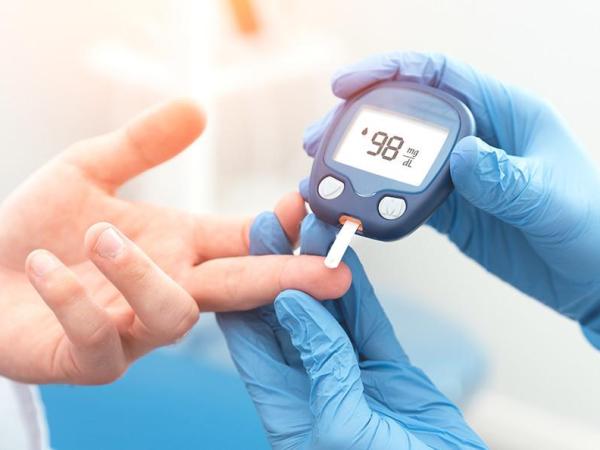
Blood Sugar Monitoring
Instruction on monitoring blood glucose levels and interpreting the results. Use of this information to make necessary adjustments to the meal plan.
Why Choose Us
Personalized Care
Our registered dietitians conduct in-depth assessments to create a customized Diabetes Management Program just for you.
Comprehensive Approach
Our program covers everything providing a holistic solution to your health needs. We bring years of experience in diabetes management, ensuring you receive the highest level of guidance and support.
Know you better
We offer multi-languages and multi-culture nutrition consulting. And we accept most insurances.
Client Testimonials